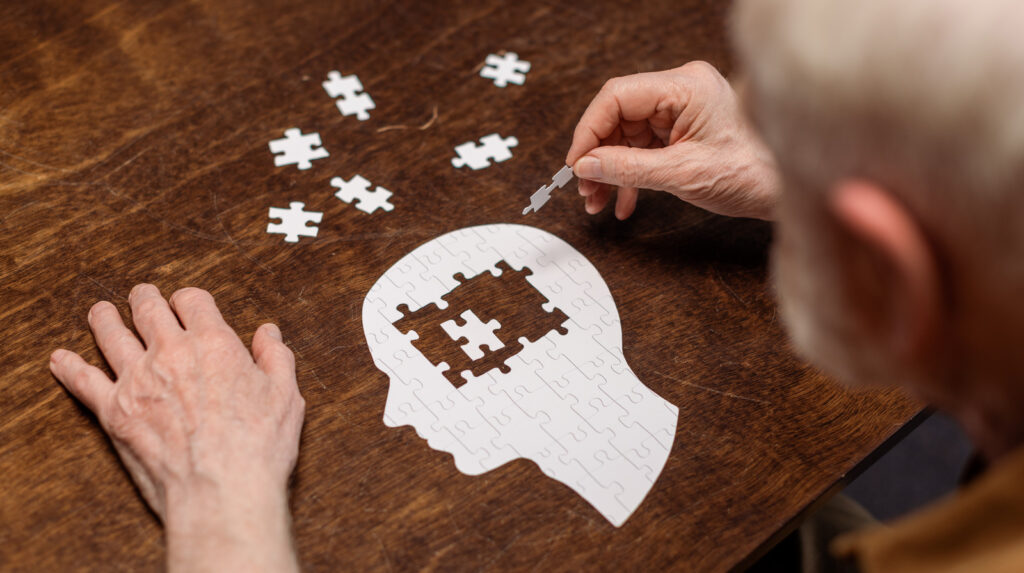
If you are dealing with memory lapses or cognitive difficulties, here are 7 simple and effective tips that can help improve your brain function and quality of life:
1. Keep Your Brain Active
Mental exercises are crucial for keeping your memory sharp. Read books, solve puzzles, play crossword games, or learn something new every day. This helps create new neural connections and keeps your brain in shape.
2. Get Enough Sleep
Sleep is essential for consolidating memories. During sleep, your brain processes and stores the information you learned throughout the day. Set a regular sleep routine and create a peaceful environment for rest.
3. Eat a Healthy Diet
A balanced diet rich in antioxidants, vitamins, and minerals is crucial for brain health. Foods like omega-3-rich fish, fruits, vegetables, and nuts help protect the brain from aging and neurodegenerative diseases. Avoid excessive sugar and saturated fats.
4. Exercise Regularly
Physical activity not only improves overall health but also increases blood circulation to the brain, which can help improve memory. Daily walks or even more intense exercise can have a positive impact on cognitive function.
5. Manage Stress
Chronic stress can negatively affect memory and mental clarity. Relaxation techniques like meditation, deep breathing, and mindfulness can help reduce stress levels and improve your ability to concentrate and remember.
6. Establish a Routine
Having a structured routine can help improve memory, especially during times of frequent memory lapses. Use calendars, to-do lists, and reminders on your phone to stay organized and remember appointments and activities
7. Seek Emotional Support
Social interactions and emotional support play an important role in maintaining mental health. If you feel overwhelmed by memory lapses, talking to friends, family, or a therapist can help alleviate anxiety and improve your well-being.
These tips are simple but can have a significant impact on maintaining and improving memory. If you continue to experience significant memory lapses or progressive memory